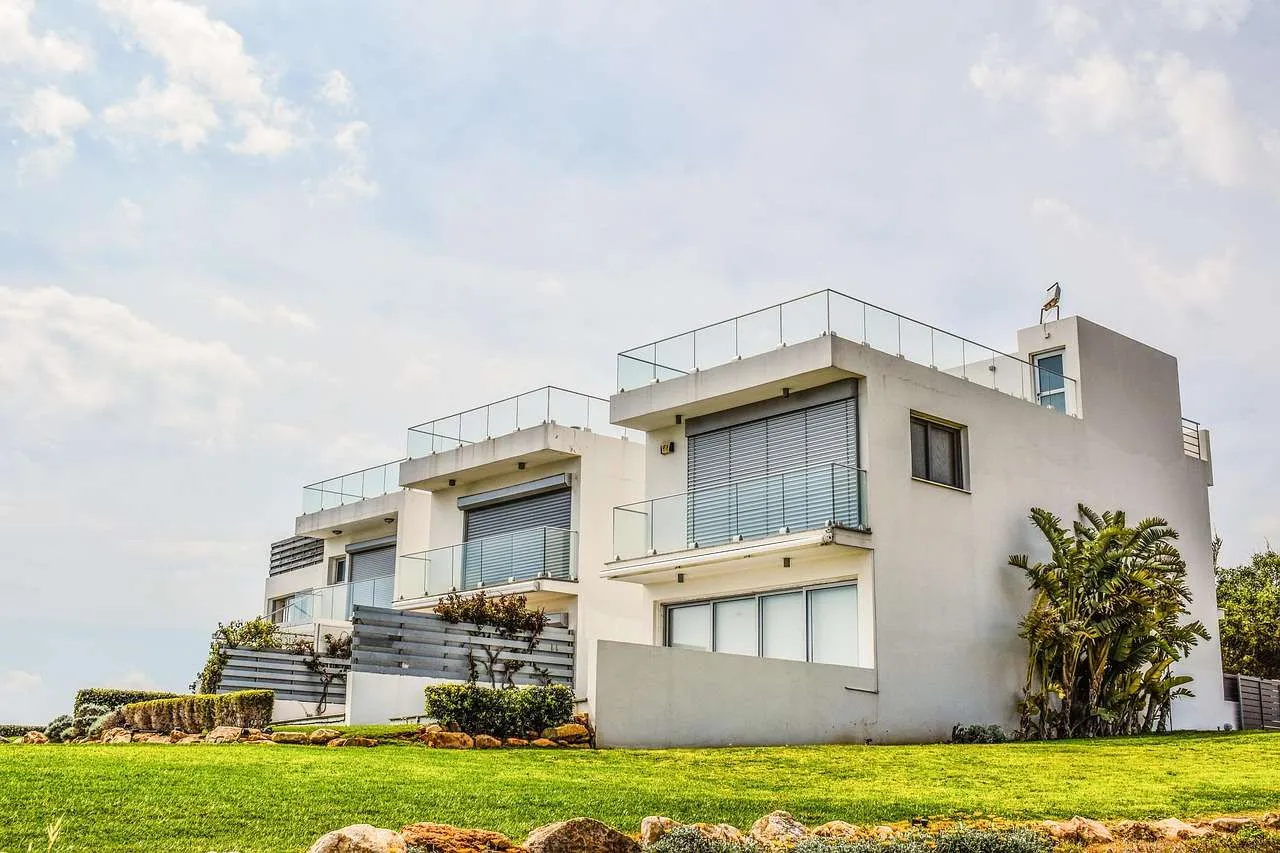
What is tpo roofing?
TPO, or thermoplastic polyolefin, is a single ply roofing membrane commonly used on commercial buildings and increasingly on residential roofs. It is typically white or light-colored to reflect sunlight, helping reduce cooling loads during hot seasons. TPO membranes are heat welded at seams, creating a watertight seal that resists UV radiation and chemical exposure. Available in various thicknesses, tpo roofing is designed to handle different climates and roof configurations, from flat to low-slope roofs. Its flexible composition also allows for easier detailing around penetrations such as vents and skylights.
Benefits of tpo roofing
- Energy efficiency due to high reflectivity lowers cooling costs in warm climates.
- Cost effectiveness compared to other single-ply systems when installed by skilled professionals.
- Flexible and lightweight, easing installation on existing structures without heavy reinforcement.
- Seam integrity through heat welding reduces the risk of leaks along joints.
- Design versatility with white or light gray membranes that resist staining and heat absorption.
- Repairability and resealing are generally straightforward, allowing targeted maintenance rather than full membrane replacement.
Potential drawbacks and limitations
While tpo roofing offers strong advantages, it is not without challenges. The quality of the membrane and the workmanship during installation greatly influence long-term performance. Some products may experience accelerated aging in extreme climates if the membrane is not properly chosen for the building envelope. The seam quality depends on proper heat welding technique, and improper welds can lead to leaks. Additionally, the market has a range of suppliers and installers, which can lead to variability in warranties and service recommendations. It is essential to verify product specifications and installer qualifications before committing to a system.
Installation and maintenance
Professional installation is critical for a successful tpo roof. Key steps typically include surface preparation, installation of a suitable underlayment, secure attachment of the membrane, and precise seam welding. Insulation and ventilation influence energy performance and durability, so these should be discussed with your contractor. Routine maintenance involves periodic inspections for loose flashing, punctures, or seam issues, especially after severe weather. Cleaning the membrane is usually simple, using low-pressure water and a gentle detergent if needed. Prompt repairs of any damage help extend the life of the roof and maintain warranty eligibility.
Cost and lifespan
Costs for tpo roofing vary by region, membrane thickness, and installation complexity. On average, homeowners report a cost range roughly between $5 and $8 per square foot, with higher-end installations including premium membranes and enhanced warranties. Lifespan estimates for tpo roofs typically range from 15 to 20 years, though quality products and proper maintenance can reach into the mid-20s in some cases. Climate, roof slope, and solar exposure all influence longevity. When evaluating a proposal, consider both the initial price and the long-term value created by insulation performance, heat reflectivity, and warranty coverage.
TPO vs other roofing materials
| Material | Lifespan | Typical Cost per Sq Ft | Pros | Cons |
|---|---|---|---|---|
| TPO | 15–20+ years | $5–$8 | Energy efficiency, lighter weight, easier seams | Quality varies by supplier, weld reliability matters |
| EPDM | 20–30 years | $4–$8 | Durable, low cost, good for large spans | Lower reflectivity, black color absorbs heat |
| PVC | 25–30 years | $6–$12 | Excellent chemical resistance, high durability | Higher material cost, requires precise installation |
How to choose a TPO contractor
Selecting a qualified contractor is essential to maximize the benefits of tpo roofing. Look for installers with experience in single ply systems and specific tpo product lines. Check certifications from manufacturers, long-standing licenses, and proof of insurance. Ask for references and photos of completed projects, and request a warranty explanation that covers material and labor. Clarify sequencing with existing layers, flashing details, and adherence to local building codes. A well-documented proposal should outline membrane thickness, warranty terms, expected lifespan, and maintenance plan.
Key questions to ask
- What is the warranty on membrane and labor, and what does it cover?
- Can you provide a site reference from a project of similar size and climate?
- How do you handle complex details around penetrations and skylights?
- Will you provide a written maintenance plan and inspection schedule?
Frequently asked questions
Is tpo roofing suitable for all climates? TPO performs well in many climates, especially where cooling costs are a concern. In colder regions, proper detailing and substrate preparation are important. How long does a tpo roof last? With proper installation and maintenance, 15 to 20 years is common, with some systems lasting longer. Can tpo be repaired after damage? Yes, localized repairs and resealing are possible, but severe damage may require membrane replacement.
Summary: TPO roofing offers a balance of energy efficiency, cost effectiveness, and ease of installation when installed by qualified professionals. Understanding membrane quality, proper seam welding, and manufacturer warranties helps homeowners maximize value, minimize risk, and extend roof life through proactive maintenance and careful contractor selection.